

Cad is Caidéal Hiodrálacha Plate Swash ann?
Is cineál caidéal loine aiseach é caidéal hiodrálach pláta swash ina n-aisiompaíonn sraith de loiní taobh istigh de bhloc sorcóir rothlach, tiomáinte ag teagmháil le diosca dronuilleach ar a dtugtar an pláta swash. Murab ionann agus dearaí lúb-ais, áit a bhfuil an bloc sorcóra féin suite ar uillinn leis an seafta tiomána, coimeádann an caidéal pláta swash an bloc sorcóra agus an seafta tiomána ar an lárlíne céanna. Tugann an leagan amach inlíne seo clúdach dlúth don chaidéal, agus is cúis amháin é sin go dtaispeánann sé chomh minic sin i dtrealamh soghluaiste spás-srianta.
Toisc go n-imíonn na loiní in aghaidh pláta comhréidh aonair seachas tithíocht chlaonta, is gnách go n-imíonn caidéil phláta swash níos ciúine agus go ngineann siad níos lú creathadh ná a gcomhghleacaithe lúb-ais ag brúnna inchomparáide. Tairgeann monaróirí a líne iomlán de chaidéil loine aiseach ag clúdach cumraíochtaí díláithrithe seasta agus athraitheacha araon, mar sin is gnách go dtagann an dearadh sonrach a roghnaítear síos go dtí riachtanais bhrú, torainn agus rialaithe an spriocchórais.
Mar a Athraíonn an Swash Plate Rothlú ina Sreabhadh
Tá an prionsabal oibríochta simplí go meicniúil cé go bhfuil na comhpháirteanna meaisínithe go beacht. De réir mar a bhíonn an seafta tiomána ag casadh, rothlaíonn sé an bloc sorcóra mar aon leis na loiní atá ina suí taobh istigh de. Tá gach loine ceangailte trí bhróg go dtí an pláta swash, agus toisc go suíonn an pláta sin ag uillinn sheasta nó inchoigeartaithe i gcoibhneas leis an ais uainíochta, cuirtear iallach ar na bróga sleamhnú suas agus síos a aghaidh mar a bhíonn an bloc ag casadh. Déanann an ghluaisne sleamhnáin sin gach loine a bhrú isteach agus amach as a tholl, ag tarraingt sreabhán ar thaobh amháin den phláta faoi seach agus á dhíbirt faoi bhrú ar an taobh eile, meicníocht a bhfuil cur síos mionsonraithe uirthi in. tagairtí innealtóireachta ar dhearadh caidéil loine aiseach .
Déanann pláta comhla seasta, atá suite idir an bloc sorcóir rothlach agus an tithíocht caidéil, an timthriall seo a amú trí gach tollán sorcóra a nochtadh don chalafort súchán le linn ionghabhála agus chuig an gcalafort scaoilte le linn an stróc brú. Feidhmíonn an chéimseata bhunúsach chéanna droim ar ais do mhótair hiodrálacha: cuireann sreabhán brú a bhrúitear i gcoinne na loine iachall ar an tionól pláta swash a rothlú, agus is é sin go díreach an socrú a úsáidtear i mótair loine athróg-díláithriúcháin tógtha ar an bprionsabal pláta swash céanna .
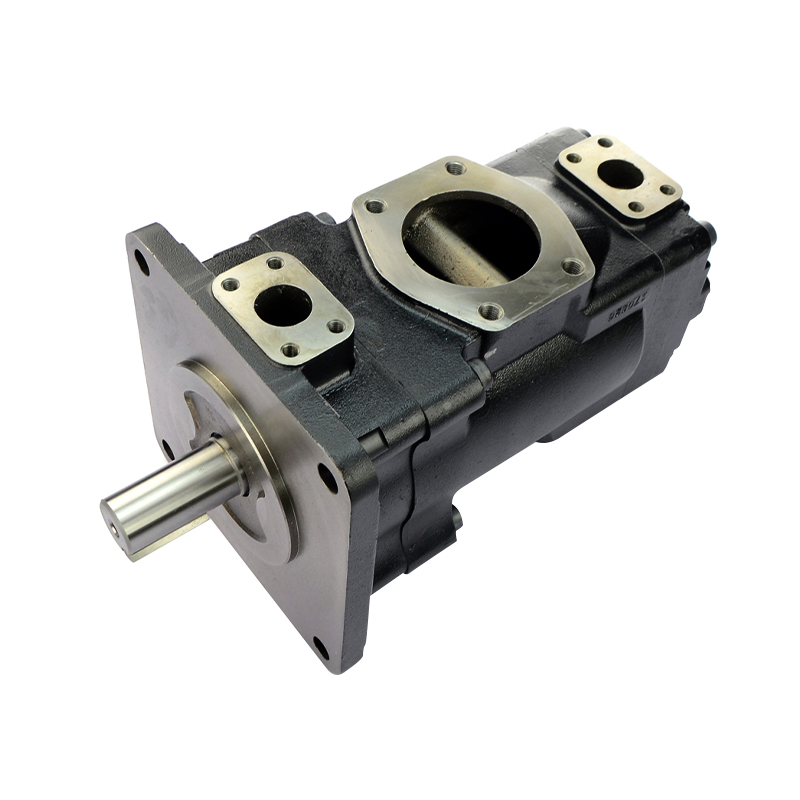
Príomh-Chomhpháirteanna agus Cúrsaí Dearaidh
Déanann cúig chuid an chuid is mó den obair i gcaidéal pláta swash: an bloc sorcóra, na loiní, na bróga agus an pláta coinneála, an pláta swash féin, agus an pláta comhla. Coinnítear lamháltais idir na loiní agus a gcuid tollta thar a bheith daingean, go minic laistigh de chúpla miocrón, toisc go n-éireoidh aon imréiteach iomarcach ann cosán díreach sceite agus caillteanas éifeachtúlachta toirtmhéadrach.
Baineann rogha ábhar chomh mór leis an gcéimseata. Go coitianta déantar loiní agus bloic sorcóra as cruach chruaite nó atá brataithe le cóimhiotail chaitheamh-resistant ionas gur féidir leo teagmháil leanúnach sleamhnáin a sheasamh ag brúnna suas go dtí agus níos faide ná 28 MPa. Coinníonn lubrication éigeantach trasna an chomhéadain loine-bróg agus aghaidh an phláta swash cuimilte agus teas faoi smacht, rud a chosnaíonn na rónta agus a leathnaíonn saol na seirbhíse faoi oibríocht ardbhrú marthanach.
- Bloc sorcóir agus loiní: lamháltais mheaitseála chun sceitheadh inmheánach a íoslaghdú
- Bróga agus pláta coinneála: déan teagmháil leanúnach leis an pláta swash tríd an stróc iomlán
- Pláta comhla: amanna súchán agus urscaoilte gan sceitheadh tras-chalafoirt
- Pláta swash: seasta nó pivoting, socraíonn sé fad an stróc loine
Dearaí Díláithrithe Seasta vs Athraitheacha
I gcaidéal díláithrithe seasta, tá an pláta swash faoi ghlas ag uillinn socraithe, agus mar sin tá an t-aschur sreafa comhréireach go díreach le luas an tseafta agus fanann sé seasmhach ar feadh rpm ar leith. Tá an dearadh níos simplí seo buan agus éifeachtach ó thaobh costais nuair nach bhfuil ach ráta sreafa amháin ag teastáil ón gcóras.
Ligeann caidéil díláithrithe inathraithe don phláta swash pivot, ag athrú an stróc loine agus mar sin an sreabhadh a sheachadtar in aghaidh na réabhlóide gan luas seafta a athrú. Cuimsíonn modhanna rialaithe comhlaí brú-chúitimh simplí (DR) go rialú brú-agus-sreafa comhcheangailte (DFR), teorannú cumhachta seasta (DFLR), agus rialú comhréireach leictreonach (EP) le haghaidh córais a dteastaíonn freagairt in-ríomhchláraithe uathu. Tá an sraith caidéil loine aiseach ath-dhíláithriúcháin le rialú pláta swash inchoigeartaithe léiríonn sé conas a dhéantar an raon roghanna rialaithe seo a phacáistiú go hiondúil, a chuimsíonn sraitheanna díláithrithe ó 10 go 140 cm³ in aghaidh na réabhlóide chun trealamh tionsclaíoch éadrom a chlúdach trí innealra soghluaiste trom.
Cá Úsáidtear na Caidéil seo
Taispeánann caidéil pláta swash suas cibé áit a dteastaíonn ardbhrú ó chóras i lorg dlúth. I dtrealamh tógála agus cré-ghluaiste, cumhachtann siad borradh, lámh, agus ciorcaid taistil tochailteoirí, lódairí agus craenacha. Braitheann innealra cruach, miotalóireachta agus mianadóireachta ar an dearadh céanna le haghaidh na dtimthriallta leanúnacha ardbhrú dleachta a éilíonn na tionscail sin.
Taobh amuigh de threalamh soghluaiste, tá leaganacha díláithrithe athraitheacha coitianta i bpreasa tionsclaíocha agus uirlisí meaisín CNC, nuair a aistríonn rialú sreafa beacht go díreach isteach i cruinneas tairiscint. Tá córais hiodrálacha loinge agus amach ón gcósta, mar aon le trealamh tacaíochta talún san eitlíocht shibhialta, i bhfabhar na gcaidéil seo freisin as a gcumas brú agus a n-oibriú réasúnta ciúin. Déanann innealra peitriliam agus peitriceimiceach an liosta de thimpeallachtaí éilitheacha a chomhlánú ina bhfuil an cineál caidéil seo ina threalamh caighdeánach, go minic mar chuid de níos leithne réitigh córas hiodrálach iomlán pacáiste seachas comhpháirt neamhspleách.
Caidéal Pláta Swash a Roghnú agus a Chothabháil le haghaidh Dleachta Ardbhrú
Tosaigh roghnú leis an gclúdach brú: seiceáil an rátáil leanúnach ainmniúil agus an buaicbhrú is féidir leis an gcaidéal a fhulaingt go hachomair, mar is annamh a bhíonn an dá uimhir seo mar an gcéanna agus go mbeidh méid an bhuaic ina n-aonar ró-bheag ar an gcaidéal le haghaidh dualgas leanúnach. Meaitseáil an tsraith díláithrithe leis an sreabhadh atá ag teastáil ón gciorcad i ndáiríre, agus deimhnigh an cineál rialaithe, seasta, brú-chúitithe, nó comhréireach go leictreonach, i gcoinne an chaoi a ndéantar an chuid eile den chóras a rialú.
Nuair a bheidh sé suiteáilte, is iad na bagairtí éifeachtúlachta is mó ná éilliú, teas, agus rónta caite. Cosnaíonn an sreabhach hiodrálacha glan agus laistigh dá raon slaodachta na himréitigh daingean loine-go-leamh a fhágann go bhfuil an caidéal éifeachtach ar an gcéad dul síos, agus glacann iniúchadh rialta róin sceitheadh sula n-iompaíonn sé ina fhadhb brú nó sreabhadh. Chun breathnú níos dlúithe ar na fachtóirí cothabhála a théann i bhfeidhm ar aschur fadtéarmach, seo treoir phraiticiúil maidir le héifeachtacht caidéil loine ardbhrú a chothú clúdaíonn sé roghnú ábhar, tiúnadh stróc, agus bainistíocht teasa ar bhealach níos sonraí.
Ceisteanna Coitianta
Cad é an difríocht idir caidéal pláta swash agus caidéal lúb-ais?
Coinníonn caidéal pláta swash an bloc sorcóra agus an seafta tiomána ailínithe ar an ais chéanna, le pláta dronuilleach ag tiomáint na loine. Tilts caidéal lúb-ais an bloc sorcóra ar fad i gcoibhneas leis an seafta tiomána. De ghnáth láimhseálann dearaí lúb-ais brú agus luas níos airde, agus cuireann caidéil pláta swash pacáiste níos dlúithe ar fáil agus de ghnáth ritheann siad níos ciúine.
An féidir le caidéal pláta swash díláithrithe inathraithe a reáchtáil ag díláithriú nialasach?
Tá. Nuair a bhíonn an pláta swash maolaithe go dtí uillinn gar-ingearach i gcoibhneas leis an seafta tiomána, titeann stróc loine go dtí gar náid agus aschuireann an caidéal beagán gan aon sreabhadh fiú agus an seafta ag casadh i gcónaí. Seo cé mhéad córas a dhíomhnaíonn an caidéal faoi ualach gan an príomhaistritheoir a mhúchadh.
Conas a bheidh a fhios agam cén cineál rialaithe a theastaíonn uaim?
Go hiondúil ní bhíonn gá le hiarratais shimplí ar shreabhadh tairiseach ach pláta swash seasta nó rialú brú bunúsach (DR). Baineann córais nach mór brú a choinneáil fad is a athraíonn éileamh sreafa leas as rialú brú-agus-sreafa (DFR) nó teorannú cumhachta tairiseach (DFLR), agus ba cheart go sonródh feidhmchláir a éilíonn aschur in-ríomhchláraithe, cianda- inchoigeartaithe rialú comhréireach leictreonach (PE).